The nurse catches you in the hallway. “I saw your orders on the patient in 4. I think we should watch the potassium more closely. I’ve seen this go south fast.”
Your face gets hot. Your internal monologue kicks in: “I checked the potassium. I know what I’m doing. Does she think I’m incompetent?”
You hear yourself say, “I’ve got it covered, thanks,” in a tone that’s just professional enough not to be rude but cold enough to shut down the conversation.
Six hours later, potassium levels are critically low. The patient needs to be transferred to the ICU. And that nurse, the one who tried to warn you, is the one helping you make the calls while you’re internally screaming at yourself for not listening.
This moment, this choice, happens to every new clinician. And how you handle it will shape not just your relationships but your entire trajectory as a provider.
The Day I Watched It Almost Go Wrong
Early in my career, I worked with another PA named Jessica who’d been out of training for about 18 months. We shared a practice, and we had a nurse, Sarah, who’d been doing wound care for 15 years.
Jessica was treating a patient with a nonhealing ulcer conservatively. Sarah suggested we get vascular studies. Jessica thought the pulses were fine and saw no need.
Sarah brought it up again the following week. “I really think we need vascular studies on this one.”
I saw something shift in Jessica’s face. Irritation. She’d examined the leg. She’d checked the pulses. She was the provider. What was Sarah seeing that she wasn’t? And more importantly, why couldn’t Sarah just trust her clinical judgment?
Jessica didn’t order them.
Two weeks later, the patient was in the hospital getting an emergency bypass. The pedal pulses Jessica had felt? They were from collateral circulation. The patient had critical limb ischemia that we’d missed because we were checking off a box (pulses present) instead of synthesizing the complete clinical picture.
Sarah had seen this pattern dozens of times. She knew what a limb in trouble looked like beyond what pulses told you. She tried to teach Jessica. And we almost cost a patient their leg because ego was louder than experience.
I watched that unfold, and it terrified me. Not because Jessica was incompetent – she wasn’t. But because I recognized myself in that moment. How many times had I dismissed a nurse’s input because I needed to feel like I was the one who knew what I was doing?
That case taught me something I carry 30 years later: The nurses around me have been trying to make me a better clinician from day one. The only question is whether my ego will let me learn.
Why This Feels Like a Threat (And Why That Matters)
Here’s what’s happening in your brain when an experienced nurse questions your plan: Your brain perceives it as a status threat. You’ve worked incredibly hard to earn the title of “provider.” You’ve accumulated massive debt, sacrificed years of your life, and passed brutal exams. That role is core to your identity now. And when someone without your credentials suggests you might be wrong, your amygdala interprets it as a threat to your social standing.
This isn’t a character flaw. This is neuroscience. Status threat activates the same neural pathways as physical danger. Your heart rate increases. Your thinking narrows. You become defensive.
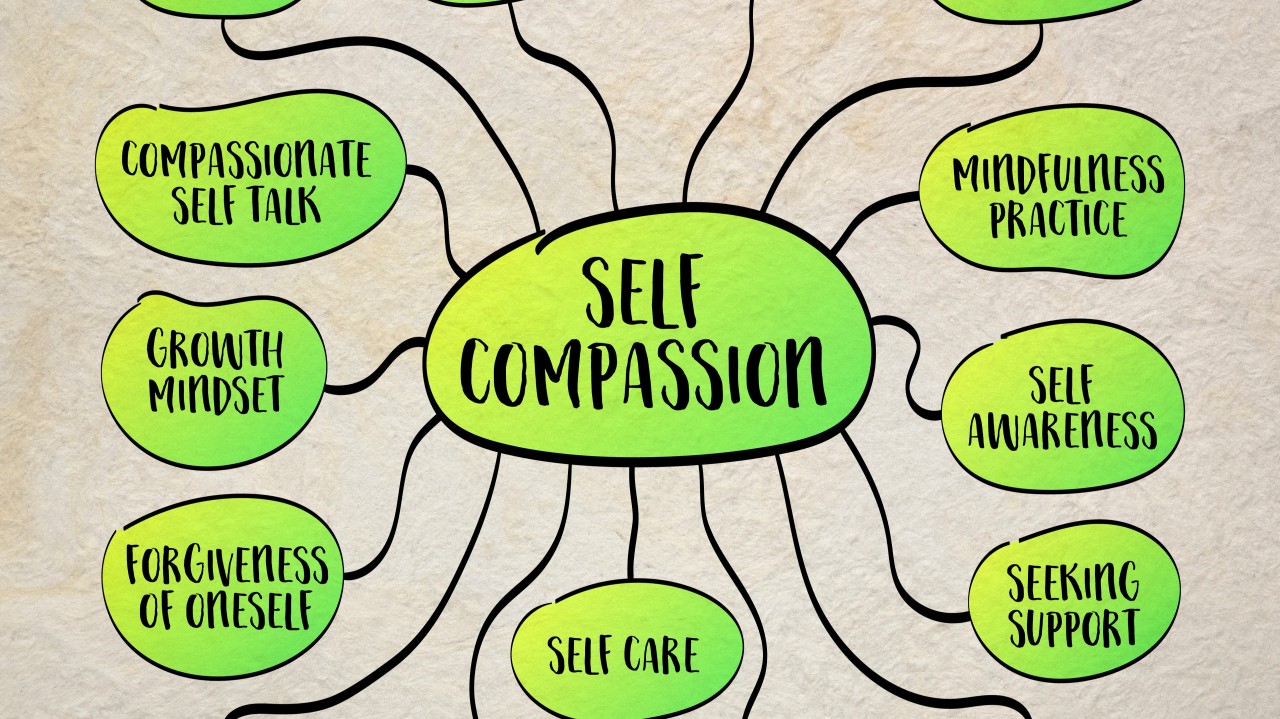
But here’s the problem: You’re operating from a fixed mindset. Fixed mindset says, “I’m the PA, I should know more than the nurse. If I don’t, something’s wrong with me.” A fixed mindset treats learning as evidence of inadequacy rather than of growth.
Growth mindset says something different: “This nurse has 15 years of bedside wisdom I haven’t earned yet. I’m lucky they’re willing to share it.”
The clinicians who burn out aren’t the ones who don’t know enough. They’re the ones who can’t tolerate not knowing. They’re the ones whose ego needs them to be the smartest person in the room, which means they cut themselves off from half the learning available to them.
What You’re Actually Missing
When you shut down an experienced nurse because your ego is threatened, here’s what you lose:
Pattern recognition, you haven’t earned yet. That nurse has seen your “stable” patient’s presentation deteriorate 50 times. You’ve seen it twice. They’re offering you a shortcut to wisdom that took them 15 years to accumulate. But you have to be willing to receive it.
System navigation that will save you hours of frustration. Nurses know how to actually get things done in your institution. They know which attending to call for which consult. They know how to get a bed when there are no beds. They know the workarounds that aren’t in any manual.
The human side of medicine that no one taught you. They know which patient needs five extra minutes because they’re terrified. They know which family member is about to lose it. They know how to do hard things without becoming hard themselves.
Your blind spots. You’re ordering tests when what the patient needs is reassurance. You’re focused on the diagnosis when the patient is trying to tell you they can’t afford the medication. You’re missing the forest for the trees, and the nurse is trying to redirect your gaze.
The Reframe That Changes Everything
The most confident clinicians I know are the ones who can learn from anyone. They don’t need to be the expert in the room. They just need to be the person gathering wisdom from every available source.
Intellectual humility isn’t weakness. It’s recognizing the limits of your knowledge without that recognition threatening your identity. You can have decision-making authority AND learn from people with different expertise. These aren’t in conflict.
After watching what happened with Jessica’s patient, I made a decision: Every time I felt defensive about a nurse’s suggestion, I would pause for three seconds and ask myself, “What if they’re right? What am I missing?”
That pause saved me more times than I can count.
What Nurses Are Actually Teaching You (If Your Ego Allows It)
They’re teaching you what ‘not right’ looks like before it becomes critical. “Something’s off with this patient” is an expert-level clinical assessment. Experienced nurses have seen thousands of patients. They know what decline looks like in its earliest stages. You’re still learning to see it.
They’re teaching you that protocols have limitations. You follow the algorithm. They follow the patient. Sometimes the patient doesn’t read the textbook. The nurse who says, “I know the vitals are stable, but something feels wrong” has learned to trust pattern recognition that you’re still developing.
They’re teaching you how to maintain your humanity in a system that’s trying to strip it away. Watch how the experienced nurse talks to the scared patient at 2 AM. Watch how they maintain composure during a family meeting that’s going sideways. They’ve figured out how to care deeply without carrying it all home. That’s mastery you can’t learn from a textbook.
They’re teaching you that collaboration is better than hierarchy. The best patient care happens when everyone brings their expertise to the table. Your diagnostic skills + their bedside assessment + respiratory therapy’s airway management + pharmacy’s medication expertise = better outcomes than any one person can achieve alone.
Tools to Get Your Ego Out of the Way
Create a three-second pause before responding to unsolicited input. When a nurse suggests something different than your plan, resist the urge to defend your decision immediately. Take three seconds. Breathe. Then ask, “Tell me more about what you’re seeing.” This one phrase has saved me from more mistakes than I can count.
Reframe “correction” as “collaboration.” When a nurse questions your order, they’re not undermining you. They’re offering additional data. The question isn’t “Am I wrong?” The question is “What are they seeing that I’m not?”
Practice the phrase “I hadn’t thought of that.” Say it out loud. Get comfortable with it. These five words demonstrate strength, not weakness. They show you’re secure enough to learn from anyone.
Track your “learned from a nurse” wins. Keep a running note on your phone. “Today, the nurse suggested we check peripheral pulses before discharge. Found diminished DP. Changed the whole management plan.” These aren’t failures. These are examples of you being teachable, which is the most important clinical skill.
Ask experienced nurses to teach you directly. “You’ve been doing this for 15 years. What are the red flags you watch for that I might not know yet?” Most nurses are honored to be asked and will teach you things that aren’t in any textbook.
Separate your identity from your knowledge. You are not “the person who knows everything.” You are “the person learning to make good decisions with incomplete information while leveraging everyone’s expertise.” That’s actually a better identity.
Your Takeaway
After 30 years in medicine, here’s what I know: The clinicians who thrive aren’t the smartest ones. They’re the ones who can learn from anyone without their ego getting in the way.
That nurse who has more experience than you? They’re offering you a gift. They’re trying to save you from the mistakes they’ve already made, the patterns they’ve already learned to recognize, the hard-won wisdom they could keep to themselves but choose to share.
Your ego can reject that gift. It can say, “I’m the provider here, I’ve got this.” And you’ll miss half of what medicine has to teach you.
Or you can take a breath, get curious instead of defensive, and say, “Tell me what you’re seeing.”
That choice, repeated over hundreds of shifts, will determine whether you burn out in five years or thrive for decades.
The most dangerous words in medicine aren’t “I don’t know.” They’re “I’ve got this” when someone with more experience is trying to teach you something.
I’m frequently overheard amongst friends saying, “Everything I know I learned from podcasts and nurses.” One of those nurses over the years is my sister-in-law, Pam, who has been a nurse for as long as I’ve been a PA. The stories we share, the common humanity we’ve discovered in our parallel careers in medicine, and the lessons she’s taught me over all these years? One word: priceless. This article is for Pam and for every nurse who’s tried to teach me something I almost missed.
What’s one thing an experienced nurse taught you that you almost missed because your ego was in the way?