The code didn’t go well.
Marcus, a recent PA grad who works in the ED, keeps replaying it. The patient was crashing fast. He called for help, started compressions, and followed ACLS protocol exactly right. But his hands were shaking. His voice cracked when he called out medication orders. The attending had to step in and take over.
They got the patient back. The outcome was good. But all Marcus can think about is how he looked uncertain in front of the team. How his attending probably thinks he can’t handle pressure, how he should have been calmer, smoother, more competent.
He drives home in silence, the voice in his head unrelenting. You’re three years in, and you still panic. Everyone else handles this better. Maybe you’re not cut out for emergency medicine.
This is the moment that matters. Not the code itself, but what happens in Marcus’s head afterward. This is where we’ve been teaching clinicians the wrong thing.
The Question That Changes Everything
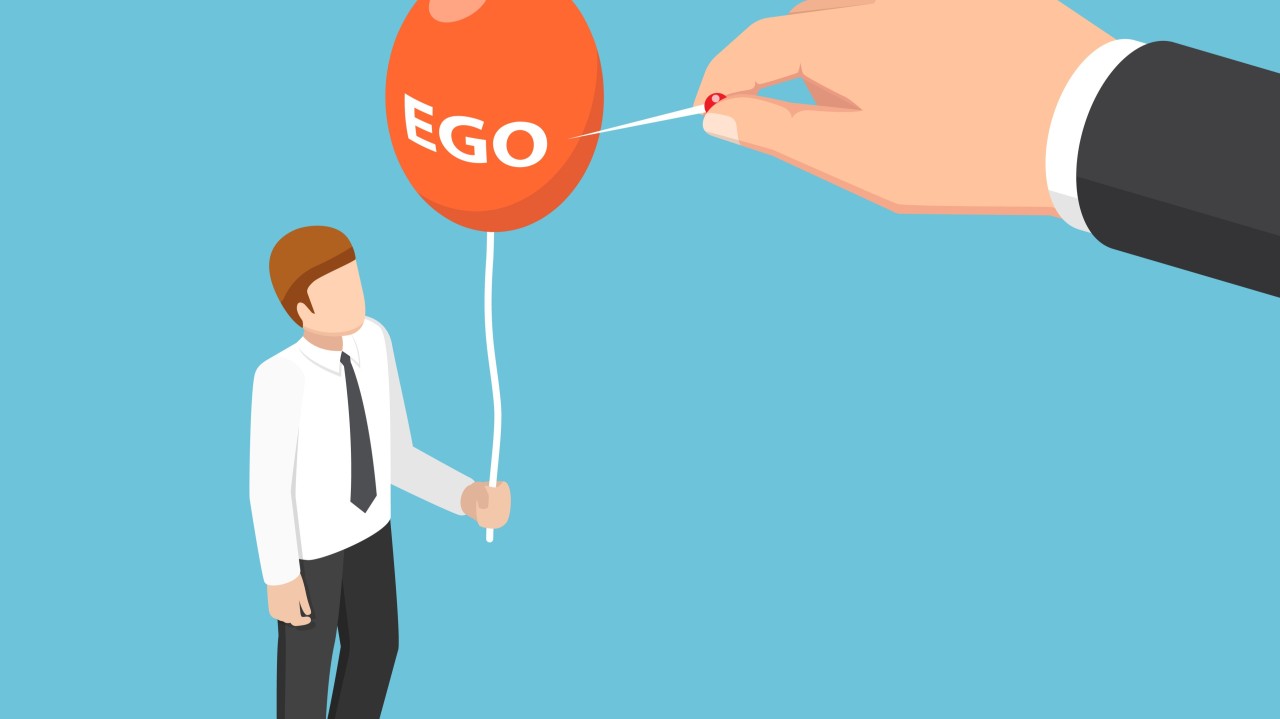
Healthcare has been operating on a fundamental question: “How good am I?” This is the self-esteem question. It requires you to evaluate your performance, compare yourself to others, and tie your worth to external achievements.
But research in positive psychology over the past two decades has revealed something crucial: there’s a better question.
“How can I care for myself in this difficult moment?”
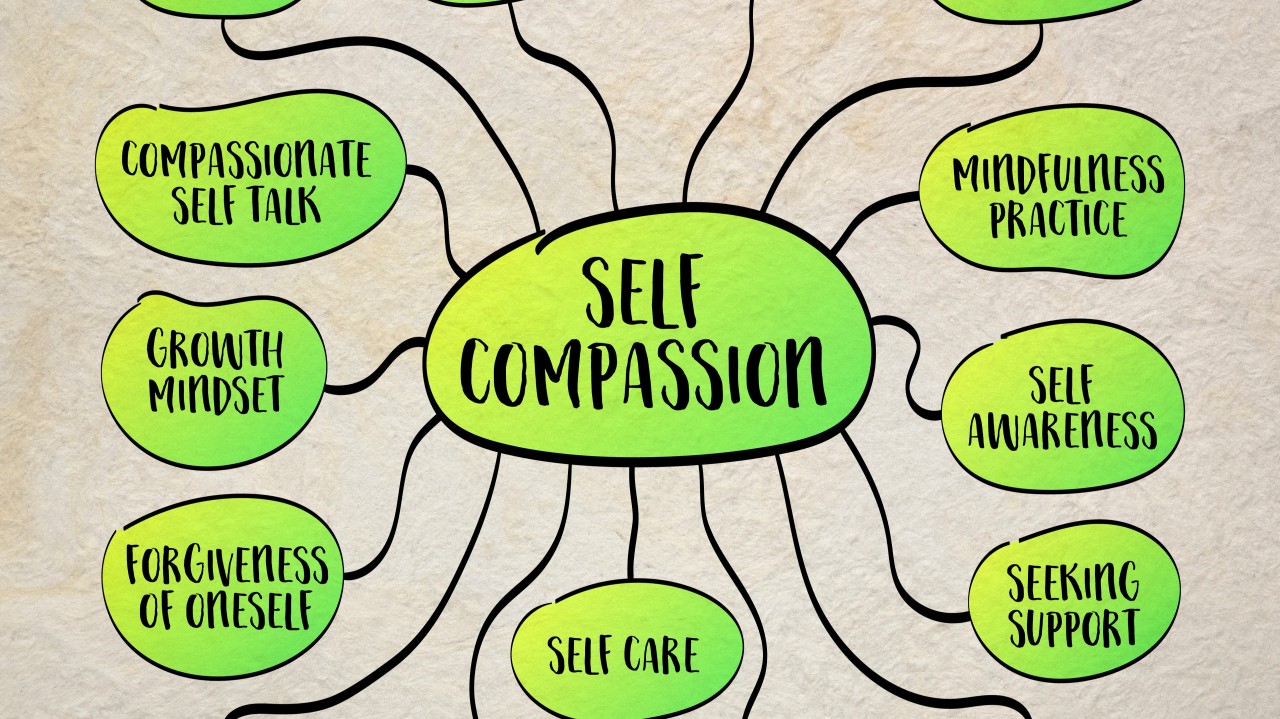
This is the self-compassion question. And the data is unequivocal. Self-compassion is a stronger predictor of psychological well-being than self-esteem. It’s more stable across time and circumstances. And critically for healthcare, it protects against burnout in ways that self-esteem simply cannot.
Dr. Kristin Neff, who pioneered Western research on self-compassion, has demonstrated across multiple studies that self-compassion enables greater stress coping than self-esteem does. For professional caregivers and first responders, those with higher self-compassion show significantly lower levels of caregiver fatigue, burnout, and anxiety.
Read that again. The research is clear: self-compassion outperforms self-esteem in protecting healthcare workers from burnout.
So why aren’t we teaching it?
The Three Elements That Actually Protect You
Self-compassion isn’t vague or touchy-feely. It’s a specific, measurable psychological skill with three distinct components.
Self-Kindness: Talking to Yourself Like Someone You Care About
When Marcus beats himself up for having shaky hands during the code, he’s doing what we were all trained to do. Be harsh. Be critical. Don’t let yourself off the hook.
But research shows this approach backfires. Self-criticism activates the threat response in your brain. It floods you with cortisol. It makes you feel defensive, ashamed, and less able to learn from mistakes.
Self-kindness is different. It means treating yourself with the same care and understanding you’d offer a colleague going through the same situation.
What would Marcus say to a fellow PA who handled their first critical code exactly the way he did? Probably something like: “You did everything right. You followed protocol. Your hands shook because you’re human, and it was a high-stakes moment. The fact that you care this much is what makes you a good clinician.”
That’s self-kindness. Not letting yourself off the hook, but speaking to yourself in a way that actually helps you grow instead of just making you feel worse.
Dr. Whitney Marvin’s work emphasizes a practical technique: when you’re struggling, put your hand on your heart and speak to yourself in the same tone you’d use with a friend dealing with something stressful. Physical touch combined with kind self-talk activates the same soothing response as receiving compassion from others.
The beauty of this practice? You can do it as many times a day as you need.
Common Humanity: You’re Not the Only One
The self-esteem model isolates you. When you’re focused on how you measure up, every struggle feels like personal failure. If everyone else seems fine and you’re struggling, it must mean something is wrong with you.
Common humanity flips this script. It’s recognizing that difficulty and imperfection are part of being human. Every clinician has moments when their hands shake. Every provider has cases that haunt them. Every person in healthcare has felt like an imposter.
Neff’s research shows that shared humanity is protective because it counteracts isolation. When you remember that struggle is universal, you stop interpreting your difficulties as evidence that you’re uniquely flawed.
For Marcus, this would sound like: “Having a stress response during my first critical code is what happens to humans in high-stakes situations. This is part of learning, not evidence that I’m failing.”
The invisible curriculum taught us the opposite. It taught us that struggle means weakness. That if you were good enough, it wouldn’t be hard. Competent clinicians don’t have emotional responses to trauma.
But the research shows that this belief is not only false, but it’s also harmful. Dr. Vaneet Sandhu’s work demonstrates that the more fear clinicians have of showing compassion to themselves, the more likely they are to burn out. Meanwhile, recognizing our shared humanity actually protects against burnout.
Mindfulness: Acknowledging Pain Without Drowning in It
Mindfulness in self-compassion isn’t about meditation or breathing exercises (though those can help). It’s about balanced awareness. It means acknowledging your pain without either suppressing it or letting it consume you.
This is the middle path between two extremes that healthcare teaches us. On one end, we’re told to “suck it up” and ignore our emotional responses. On the other end, we catastrophize and turn every mistake into evidence of our unworthiness.
Mindfulness says, “I’m really struggling right now. This is painful. And I can feel this pain without it defining me.”
For Marcus, this sounds like: “I feel embarrassed about how I handled that code. That feeling is real and valid. And it doesn’t mean I’m a bad clinician or that I should quit emergency medicine.”
Research shows that this balanced awareness is crucial. When you can acknowledge difficulty without over-identifying with it, you’re less likely to spiral into rumination and more able to learn from the experience.
Why Self-Compassion Works (And Self-Esteem Doesn’t)
The key difference lies in stability and conditionality.
Self-esteem is contingent. You feel good about yourself when things go well and terrible when they don’t. Your sense of worth is constantly at the mercy of external circumstances, comparisons to others, and whether you’re meeting arbitrary standards of perfection.
In a field where things frequently don’t go well, where comparison is baked into the culture, and where perfection is impossible, self-esteem becomes a vulnerability instead of a strength.
Self-compassion is unconditional. It doesn’t depend on success or failure. It doesn’t require you to be better than anyone else. It doesn’t demand perfection. It offers you the same care and understanding regardless of how things turn out.
This is why multiple studies show that self-compassion is more strongly associated with psychological well-being than self-esteem. People with high self-compassion have lower rates of anxiety and depression. They’re more resilient in the face of failure. They’re better able to take responsibility for mistakes because admitting fault doesn’t threaten their fundamental sense of worth.
And crucially for healthcare, they’re protected against burnout even in high-stress environments.
The PERMA-V Framework for Healthcare Wellbeing
Self-compassion is the foundation, but it’s not the whole picture. Martin Seligman’s PERMA model gives us a framework for understanding what actually makes humans flourish: Positive emotion, Engagement, Relationships, Meaning, and Accomplishment. Emiliya Zhivotovskaya, MAPP added Vitality to create PERMA-V.
Here’s how these elements protect against burnout when combined with self-compassion:
Positive Emotion: Not toxic positivity, but the ability to notice and savor good moments even under challenging circumstances.
Engagement: Finding flow in clinical work, being fully present with patients rather than just going through the motions.
Relationships: Connection with colleagues, mentors, and peers. Shared humanity in action.
Meaning: Remembering why you went into healthcare, connecting daily work to a larger purpose.
Accomplishment: Recognizing growth and progress without tying your worth to achievement.
Vitality: Physical and mental energy, the capacity to show up fully.
When you approach these elements with self-compassion rather than self-esteem, they become sustainable. You can pursue accomplishment without perfectionism. You can value relationships without constant comparison. You can seek meaning without burning out in the process.
What Marcus Does Next
Let’s go back to Marcus after the code. He has a choice.
The self-esteem path: Beat himself up. Compares himself to more experienced clinicians. Replay the moment endlessly, looking for proof of his inadequacy. Question whether he belongs in emergency medicine. Let this one difficult moment define his worth as a clinician.
The self-compassion path: Acknowledge that his first critical code was genuinely complex. Recognize that having a stress response is normal human physiology, not professional failure. Speak to himself the way he’d speak to a colleague. Remember that every experienced clinician started exactly where he is. Ask his attending for feedback with genuine curiosity rather than defensive shame.
The research tells us which path leads to burnout and which leads to resilience.
Dr. Sandhu’s work on the compassion curriculum shows us that this isn’t just theory. When healthcare institutions teach self-compassion skills, clinicians develop greater capacity for both self-care and patient care. Compassion for yourself enables compassion for your patients. When you’re running on empty, when you’re constantly beating yourself up, you can’t possibly show up fully for the people who need you.
The Practice That Changes Everything
Self-compassion isn’t something you learn once and master. It’s a practice you return to again and again, especially in healthcare, where difficult moments are inevitable.
The next time you catch yourself in harsh self-criticism, try this self-compassion break:
- Acknowledge the stress: “This is really hard right now.”
- Remember common humanity: “Struggling with difficult cases is part of being a clinician. I’m not the only one who feels this way.”
- Offer yourself kindness: “May I be patient with myself. May I give myself the compassion I need.”
You can do this between patients. After a difficult family meeting. During your commute, when you’re replaying the day’s mistakes. In the bathroom, you need 60 seconds to reset.
This isn’t about lowering your standards or becoming complacent. It’s about changing the way you talk to yourself when you inevitably fall short of perfection. Because you’re human, treating humans in an imperfect system.
Building the Culture Healthcare Needs
Individual self-compassion practice matters, but it’s not enough on its own. We need systemic change.
Healthcare institutions need to stop measuring worth by RVUs and start measuring well-being. Medical education needs to teach self-compassion alongside clinical skills. Mentors need to model self-kindness instead of self-punishment. We need to create cultures where asking for help is seen as a strength, where mistakes are learning opportunities, and where your humanity is valued as much as your productivity.
The research gives us a roadmap. We know what works. We understand what protects against burnout. We just need the courage to teach it.
Because the truth we need to tell every young clinician is this: self-compassion isn’t a luxury for when things get easier. It’s the foundational skill that helps you stay in medicine without losing yourself.
The invisible curriculum broke us by teaching self-esteem. The visible curriculum we build together will sustain us by teaching self-compassion.